
Domino Subtraction Activity: Fun Math Practice for Kids
Domino Subtraction Activity: Fun Math Practice for Kids It was a rainy Tuesday afternoon when my 8-year-old son dumped our
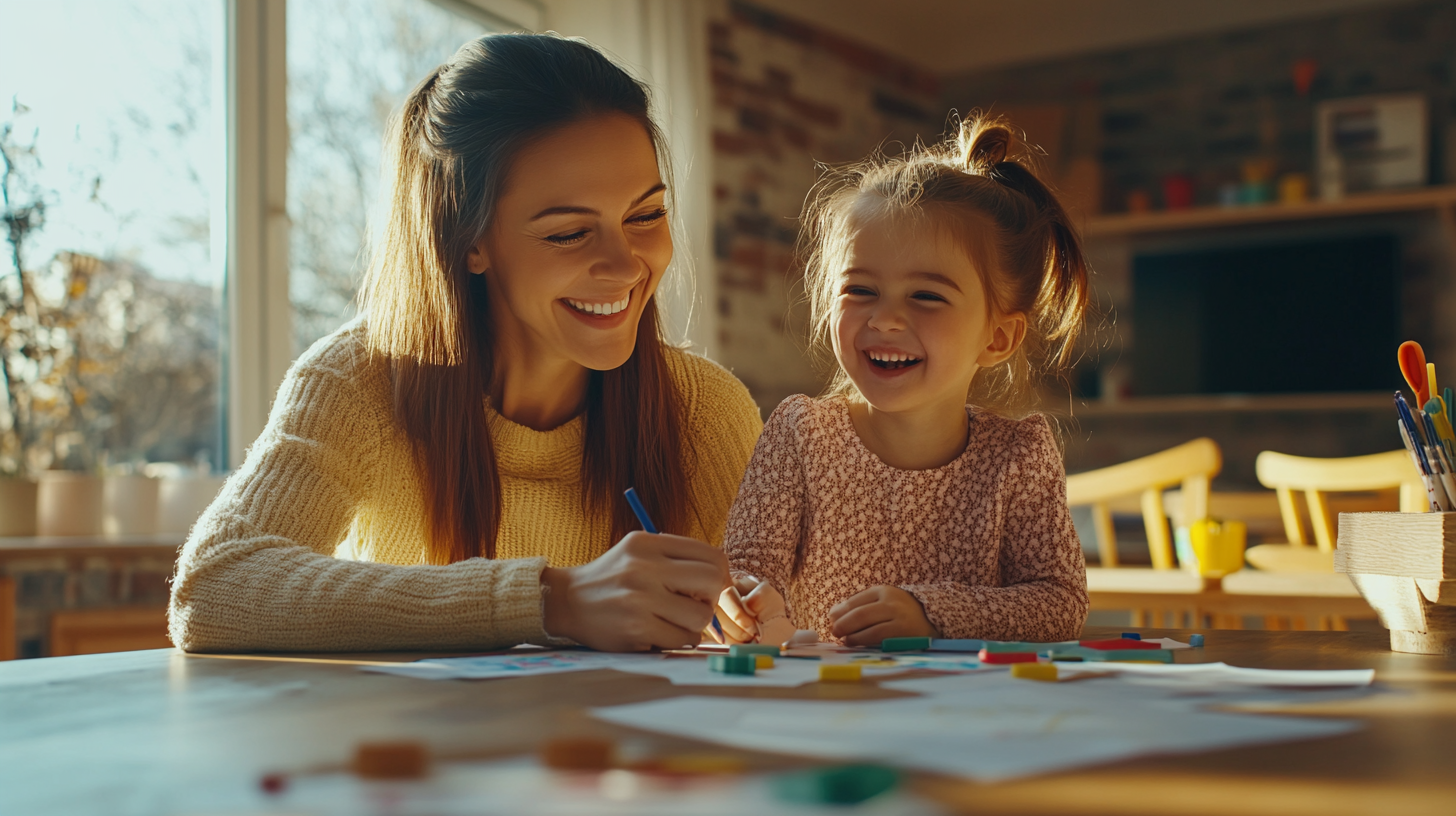
I still remember the day my eight-year-old son threw his pencil across the kitchen table and declared, “Math is impossible!” His face was red, tears were welling up, and my four-year-old daughter looked up from her coloring book with wide eyes. As a former middle and high school math teacher, I thought I’d be immune to these moments. But here’s the truth: watching your own child struggle with math anxiety hits differently than helping students in a classroom. That’s when I realized something crucial—if I could reduce math anxiety by making my kids laugh instead of lecture them, everything could change. And guess what? It absolutely did. The secret wasn’t more worksheets or stricter practice schedules. It was humor, silliness, and turning math mistakes into family jokes. Now, my son giggles through word problems, and my daughter asks to “play math games” before bedtime. If you’re a parent watching your child freeze up at the sight of numbers, I want to share exactly how we turned our math stress into math success—one silly moment at a time. Learning to reduce math anxiety doesn’t require a teaching degree; it just requires a willingness to be playful, patient, and a little bit goofy. When parents discover how to reduce math anxiety using simple humor techniques, the transformation happens faster than you’d imagine.

Before I had kids of my own, I saw math anxiety in my students constantly. The sweaty palms, the blank stares, the sudden “stomach aches” right before a quiz. But when my son started showing the same signs in second grade, I knew I needed to dig deeper. Math anxiety isn’t just about being “bad at math”—it’s a real emotional response that triggers the brain’s fear center. When kids feel anxious, their working memory gets compromised, making it even harder to solve problems. It becomes a vicious cycle: anxiety leads to poor performance, which leads to more anxiety. Understanding how to reduce math anxiety became my personal mission as both a teacher and a mom.
Here’s where humor becomes a game-changer. When we laugh, our brains release endorphins and reduce cortisol, the stress hormone. Laughter literally rewires the anxiety response. I started experimenting with this at home, turning tense homework moments into comedy sketches. Instead of saying, “Try again,” when my son got a wrong answer, I’d gasp dramatically and say, “Oh no! The number seven is so offended right now! We better apologize!” He’d crack up, the tension would dissolve, and suddenly he’d be willing to try again. This is exactly how parents can reduce math anxiety—by replacing pressure with playfulness.
The research backs this up too. Studies show that positive emotions broaden our thinking and help us approach problems more creatively. When kids associate math with laughter instead of pressure, their brains literally open up to learning. I noticed this shift within weeks—my son started volunteering to do “bonus problems” because he wanted to see what silly voices I’d use to explain them. The fear was replaced with curiosity, and that’s when real learning began. If you want to reduce math anxiety in your own home, start by making math moments memorable and fun.
Do you ever notice your child’s whole body language change when math homework comes out? That physical tension is your clue that anxiety has taken over. But when you can make them smile—even just a little—you’re actually rewiring their brain’s association with math. It’s not about dumbing down the work or avoiding challenges. It’s about creating an emotional environment where their brain feels safe enough to take risks, make mistakes, and keep trying. Every parent has the power to reduce math anxiety simply by shifting the emotional tone of learning.
💡 Teacher Mom Tip: Next time your child gets frustrated with a math problem, try this: make the numbers “talk” to each other in funny voices. “Hey, number 4, why are you being so difficult today?” It sounds silly, but it breaks the tension instantly and helps kids see math as playful rather than threatening. This simple technique can reduce math anxiety in seconds.
One of the biggest mistakes I made early on—and I see other parents making it too—was treating wrong answers like failures. Even with the best intentions, phrases like “Think harder” or “You should know this” can make kids feel like they’re disappointing us. I had to completely reprogram my own reactions. Now, when my son gets something wrong, I celebrate it. Yes, you read that right. I literally say, “Ooh, excellent mistake! That’s going to teach us something good!” This approach helps reduce math anxiety because it removes the fear of being wrong.
This shift changed everything in our house. My kids stopped hiding their homework or rushing through it just to be done. They started showing me their work proudly, even when it was covered in eraser marks. The judgment-free zone isn’t about lowering standards—it’s about raising emotional safety. When children feel psychologically safe, they’re willing to take the risks necessary for deep learning. They’ll try harder problems, ask more questions, and persist through challenges. Creating this environment is essential if you want to reduce math anxiety long-term.
I created a few house rules that help maintain this zone. First, we never use the words “smart” or “dumb” about math abilities. Instead, we talk about strategies and effort. Second, mistakes are called “learning opportunities” and we actually keep a “Best Mistakes” journal where we write down the most interesting errors and what they taught us. My eight-year-old loves adding to this journal now—it’s become a badge of honor rather than a source of shame. When you reduce math anxiety by celebrating mistakes, you’re teaching resilience.
Humor plays a massive role here too. When my daughter miscounts her toy dinosaurs, I don’t correct her immediately. Instead, I’ll say in a silly voice, “Wait, I thought there were seventeen dinosaurs! Oh no, did one escape to get a snack?” She giggles, recounts, and usually catches her own mistake. The laughter signals to her brain that this is a safe space for trial and error. There’s no punishment for being wrong, only curiosity about finding what’s right. This playful correction strategy can reduce math anxiety while still teaching accuracy.
The transformation I’ve seen in both my kids’ confidence is remarkable. My son used to say “I’m bad at math” at least once a week. Now he says things like, “I haven’t figured that out yet, but I will.” That shift from fixed mindset to growth mindset happened because we removed judgment and added playfulness. When you reduce math anxiety through humor and acceptance, kids stop protecting their ego and start engaging their curiosity.
💡 Teacher Mom Tip: Create a family “Oops Award” that you give out weekly for the most interesting math mistake. Let your kids nominate their own mistakes and explain what they learned. This ritual transforms errors from shameful secrets into celebrated learning moments.
Let me share the specific techniques that work in our house, straight from the trenches of daily homework battles. First up: character voices. I assign different voices to different types of math problems. Word problems get a dramatic narrator voice like we’re reading an epic adventure. Multiplication facts get a robot voice. Fractions get a British accent (no idea why, but my kids think it’s hilarious). This simple trick transforms “boring homework” into “voice acting practice” and helps reduce math anxiety by making the experience entertaining rather than intimidating.
Another technique I love is the “math mistake dance.” Whenever someone gets a problem wrong, we stand up and do a silly five-second dance before trying again. It started as a joke when my son was particularly frustrated, but now it’s a beloved ritual. The physical movement breaks the stress cycle in the body, and the laughter resets their emotional state. Plus, my four-year-old joins in, making it a whole family moment rather than an isolating struggle. If you’re looking for ways to reduce math anxiety, movement and laughter combined are incredibly powerful.
I also use exaggeration for comedic effect. If my son says, “This is too hard,” I’ll respond with mock horror: “Too hard? This problem? But it’s just asking how many apples Sally has! Surely the fate of the world doesn’t depend on Sally’s apples… or does it?” He always laughs, and suddenly the problem doesn’t seem so intimidating. The exaggeration helps him see that his catastrophic thinking is just a feeling, not reality. Parents can reduce math anxiety by helping kids recognize and laugh at their own worry patterns.
We’ve also created “math storytelling,” where we turn abstract problems into ridiculous narratives. A subtraction problem becomes a story about a dinosaur who ate too many cookies and needs to figure out how many are left before his mom finds out. A geometry problem becomes an adventure where we’re architects designing a secret treehouse. My teaching experience taught me that story is how humans naturally process information—adding humor to those stories makes them unforgettable. Storytelling is one of the most natural ways to reduce math anxiety in young learners.
One of my favorite techniques is what I call “math karaoke.” We take the times tables or other facts that need memorization and sing them to the tune of popular songs. “Twinkle Twinkle Little Star” becomes “Five times five is twenty-five, helps our math skills come alive!” It’s cheesy, but it works. My kids request these songs, which means they’re choosing to practice math without any nagging from me. When you reduce math anxiety through music and laughter, practice stops feeling like punishment and becomes something children actually look forward to.
💡 Teacher Mom Tip: Keep a “Silly Math Props” box with items like funny hats, silly glasses, or a feather boa. Let your child wear something ridiculous during homework time. The physical comedy immediately lightens the mood and creates positive associations with math time.
The best math learning doesn’t happen at the kitchen table—it happens in the car, at the grocery store, during bath time, and while cooking dinner. I’ve made it my mission to weave math into our daily life in ways that feel like play, not work. This approach naturally helps reduce math anxiety because kids don’t even realize they’re “doing math.” They’re just living life and having fun with Mom. When you reduce math anxiety by integrating learning into everyday moments, the pressure completely disappears.
Cooking has become our favorite math playground. When we make pancakes, I ask my son to help me double the recipe. When we make cookies with my daughter, we count ingredients and talk about fractions as we measure. “We need three-fourths of a cup of sugar—can you show me what that looks like?” The tactile, delicious nature of cooking makes abstract concepts concrete, and there’s zero pressure because we’re just making breakfast, not “studying.” Kitchen activities are one of the most effective ways to reduce math anxiety while building real skills.
Car rides are perfect for mental math games. We play “License Plate Math” where we add up the numbers on license plates we pass. We play “How Many Minutes Until We Get There?” where my son estimates time and distance. These games happen naturally in conversation, with lots of joking about whether we’ll get there “in a million years” or “seventeen seconds.” The silliness keeps it light while the math skills build quietly in the background. Parents who want to reduce math anxiety should look for these casual, pressure-free practice opportunities.
Shopping trips are another goldmine. I’ll give my eight-year-old a budget and let him figure out if we can afford certain items. My four-year-old counts apples as we put them in the bag. We compare prices and talk about which deal is better. I make it fun by creating little challenges: “If we buy this, do we have enough left for ice cream?” Suddenly, they’re motivated to solve the problem because there’s a delicious outcome involved. Real-world math is one of the best tools to reduce math anxiety naturally.
Even screen time becomes math time in our house. We watch funny math videos together, or I let my son play math-based video games where he has to solve problems to advance. The key is that I’m there with them, laughing at the silly animations or cheering when they solve a tough puzzle. My presence and positive energy around these math moments help reduce math anxiety far more than any workbook could. When children see adults enjoying math, they learn it’s something to embrace, not fear.
👉 More daily math play ideas here
The magic of this approach is that math stops being a separate, scary subject and becomes just another part of life—a fun part. My kids don’t dread math because they’ve experienced it in joyful, low-stakes contexts hundreds of times before they ever see it on a test. When you reduce math anxiety by integrating it into play and daily routines, you’re building a foundation of confidence that lasts far beyond elementary school. This is the secret that transformed our home, and it can transform yours too.
💡 Teacher Mom Tip: Start a “Math Hunt” tradition during walks or outings. Challenge your kids to spot shapes, patterns, or numbers in the environment. First person to spot ten circles wins a small prize. It turns observation into a game and reinforces that math is everywhere, not just in textbooks.
The final piece of the puzzle is sustainability. It’s one thing to make homework fun on a good day, but how do you maintain that positive energy over months and years? The answer lies in building genuine confidence through consistent celebration and a healthy dose of self-deprecating humor. I often share my own math mistakes with my kids—like the time I miscalculated a tip at a restaurant or mixed up the measurements in a recipe. Showing them that even their “math teacher mom” makes mistakes normalizes the struggle and takes away the shame. When parents model this vulnerability, they reduce math anxiety by showing it’s okay to be imperfect.
We celebrate small wins religiously in our house. Finished a page of homework without tears? That’s a win worth acknowledging. Finally memorized the eight times table? We do a special victory dance. Tried a really hard problem even though it was frustrating? That effort gets praised more than getting the right answer. I learned as a teacher that intrinsic motivation comes from feeling competent and autonomous. When kids see themselves making progress—no matter how small—they start to believe in their own abilities. Consistent celebration is one of the most powerful ways to reduce math anxiety over time.
I also use humor to reframe what “success” means. Instead of focusing only on right answers, we celebrate creative thinking. My son once solved a word problem in a completely unconventional way that technically worked but wasn’t the “standard method.” Instead of correcting him, I said, “Whoa, you just invented a new math strategy! Professor [his name], show me how that works!” His face lit up. That moment taught him that math is about thinking flexibly, not just following rules. When you reduce math anxiety by valuing the thinking process, you create fearless problem-solvers.
We’ve created family traditions around math that make it feel special rather than stressful. Friday nights are “Math Game Night” where we play board games that involve strategy and counting. We keep a running tally of who wins, which becomes its own math practice. During summer, we have “Sidewalk Chalk Math” sessions where we draw giant number lines or create hopscotch grids with math problems. These traditions embed math into the fabric of our family life in joyful, memorable ways. Family rituals like these can reduce math anxiety while creating positive associations with numbers.
Perhaps most importantly, I’ve learned to recognize and verbally acknowledge my kids’ growing confidence. “I noticed you didn’t give up on that problem even though it was tricky. That’s real mathematical thinking!” or “You’re getting so quick with your subtraction facts!” These specific observations help kids see their own growth, which builds self-efficacy. When children believe they can improve through effort—and when that effort is wrapped in laughter and support—anxiety naturally decreases and confidence naturally grows. Parents who want to reduce math anxiety should make verbal recognition a daily habit.
👉 More daily math play ideas here
The beautiful truth is that you don’t need to be a math expert to help your child reduce math anxiety. You just need to be willing to be silly, patient, and persistent in creating positive experiences around numbers. My teaching background helped, sure, but the real transformation in my kids came from my willingness to laugh with them, celebrate their efforts, and make math feel like play instead of punishment. Any parent can reduce math anxiety using these same strategies, regardless of their own math history.
💡 Teacher Mom Tip: Create a “Math Confidence Chart” where your child puts a sticker every time they try something challenging in math, regardless of whether they get it right. When they reach certain milestones (10 stickers, 25 stickers, etc.), celebrate with a special activity they choose. This visual reminder of their growing bravery becomes incredibly motivating.
If there’s one thing I want you to take away from our family’s journey, it’s this: the relationship your child has with math is shaped more by emotion than by ability. When we reduce math anxiety through humor, playfulness, and unconditional support, we’re not just helping them with homework—we’re shaping how they approach challenges for the rest of their lives. My son no longer sees math as an enemy to defeat but as a puzzle to enjoy. My daughter asks for “number games” the way other kids ask for cartoons. This didn’t happen because I’m a perfect parent or because my kids are naturally gifted. It happened because we chose laughter over lectures, play over pressure, and patience over perfection. Every family can reduce math anxiety this way.
You have the power to transform your child’s math experience starting today. It doesn’t require expensive tutors or fancy programs. It requires your presence, your willingness to be silly, and your commitment to making mistakes safe and learning fun. The voice acting, the silly dances, the math hunts, the celebration of errors—these aren’t just cute tricks. They’re evidence-based strategies that rewire how your child’s brain responds to mathematical challenges. When you reduce math anxiety with humor, you’re giving your child a gift that extends far beyond arithmetic: the confidence to tackle hard things with a smile. Parents who learn to reduce math anxiety early set their children up for academic success and emotional resilience.
👉 More daily math play ideas here
Every laugh shared over a math problem is a small victory against anxiety. Every silly voice, every celebrated mistake, every playful moment is building a foundation of confidence that will last a lifetime.
Ready to transform math time from stressful to joyful? Download our free “30 Days of Math Giggles” activity guide and discover new ways to make your kids smile while building real skills. Don’t let another homework session end in tears—start your journey to reduce math anxiety today, and watch your child’s relationship with numbers completely transform! Click here to get instant access to proven strategies that help parents reduce math anxiety in their homes every single day!
What is the best way to reduce math anxiety in young children?
The most effective way to reduce math anxiety in young children is to create positive, playful associations with math through humor, games, and low-pressure practice integrated into daily life. When children laugh during math activities, their brains release endorphins that counteract stress hormones, making them more receptive to learning. Focus on celebrating effort over correct answers, use silly voices and props during practice, and incorporate math naturally into cooking, shopping, and play. The key is removing the fear of failure by making mistakes a normal, even funny, part of the learning process. Parents who consistently reduce math anxiety through these methods see remarkable transformations in their children’s confidence and willingness to engage with numbers.
How can parents help reduce math anxiety if they’re not good at math themselves?
You don’t need to be a math expert to reduce math anxiety—you just need to model a positive, curious attitude toward problem-solving. Your willingness to laugh at mistakes, try different strategies, and approach challenges playfully matters more than your math skills. Use humor to acknowledge when you’re both stuck: “Well, this problem is tricky! Should we draw a picture, use objects, or ask our toy dinosaur for help?” When parents show that struggle is normal and can be approached with lightness rather than stress, children learn resilience. Focus on asking questions like “What could we try?” rather than providing answers, and celebrate the thinking process together. Many parents successfully reduce math anxiety without being math experts themselves—it’s all about the emotional environment you create.
At what age should I start using humor to reduce math anxiety?
You can start as early as toddlerhood! Even two and three-year-olds respond to playful counting games, silly songs about numbers, and making math part of imaginative play. The earlier you establish that math is fun and mistakes are okay, the less likely anxiety will develop later. For preschoolers, keep it light with counting toys in funny voices or playing “more or less” games with snacks. For elementary-aged children, incorporate the strategies mentioned in this article: silly props, character voices, celebration of mistakes, and integration of math into daily activities. The key at any age is keeping the emotional tone positive and pressure-free. Parents who reduce math anxiety early prevent the fear from taking root in the first place.
Domino Subtraction Activity: Fun Math Practice for Kids It was a rainy Tuesday afternoon when my 8-year-old son dumped our

Dice Games for Multiplication: Fun Math Play Kids Enjoy As a former middle and high school math teacher turned mom

Money Math at the Farmers Market: 7 Fun Ways Kids Learn Value Last Saturday morning, I watched my 8-year-old son
*Also read:
25 Brilliant LEGO Math Activities to Build Number Sense and STEM Skills at Home
Teach Kids to Tell Time: The Clock Game Every Parent Should Try at Home